
HDPE Pipe


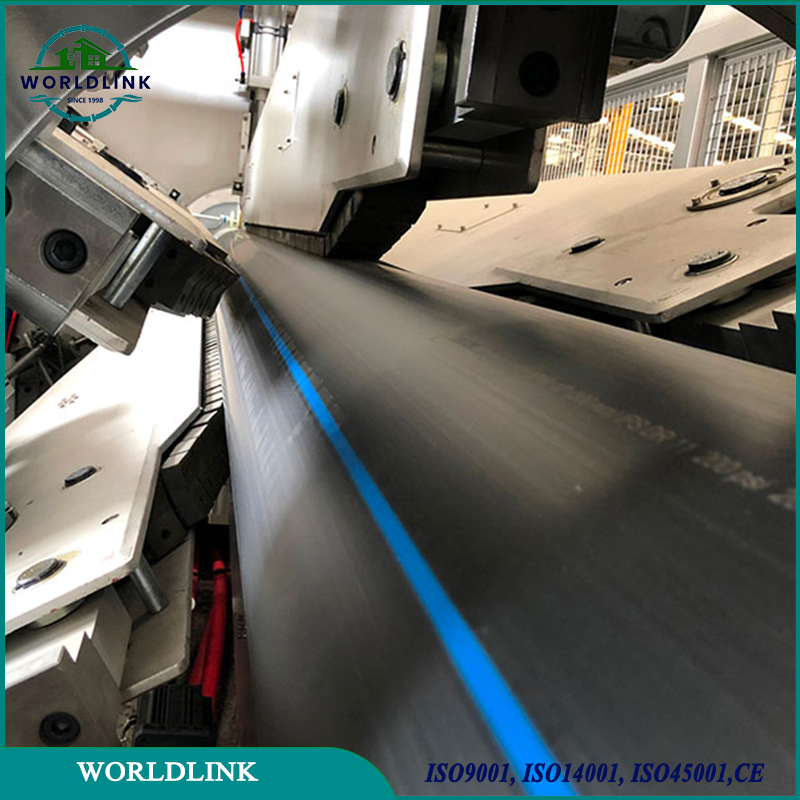
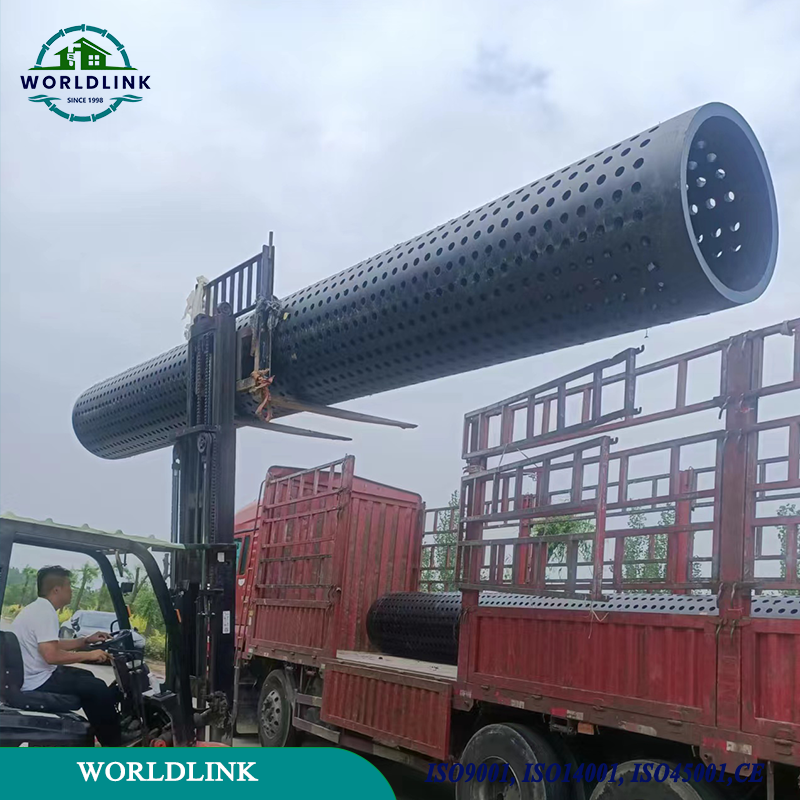
HDPE Pipes for Industry and Chemical
HDPE Pipes for Industry and Chemicals are specialized pipes made from High-Density Polyethylene (HDPE) that are specifically designed to transport chemicals, acids, and other corrosive substances. These pipes offer superior resistance to a wide range of aggressive chemicals, making them ideal for use in industries such as chemical processing, wastewater treatment, food processing, and more.
- 1. Material: PE80, PE100, PE100-RC, PE4710, PE3408
- 2. Size: DN20-DN2500mm
- 3. Length: 5.9 meters, 11.9 meters, can be customized according to customer needs
- 4.Pressure level: SDR33-PN5, SDR26-PN6, SDR21-PN8, SDR17-PN10, SDR13.6-PN12.5, SDR11-PN16, SDR9-PN20, SDR7.4-PN25
- 5. Color: black, blue, etc., color can be customized
- 6. Implementation standards: HG/T 4586, ISO 4427, ISO 15494, GB/T 13663. GB/T 19472, EN 12201, EN 1555
- 7. Packaging: naked
- 8. Delivery time: 5-10 days, depending on quantity
- 9. Samples: Samples can be provided free of charge
HDPE Pipes for Industry and Chemical details description:
HDPE Pipes for Industry and Chemical is a pipe made of high-density Polyethylene (English name "High Density Polyethylene", referred to as "HDPE"), HDPE is a high crystalline, non-polar thermoplastic resin. HDPE (high density polyethylene) chemical pipe is widely used for conveying a variety of chemical media because of its excellent corrosion resistance, chemical stability and mechanical properties. HDPE Pipes for Industry and Chemical with its good corrosion resistance, chemical resistance and wear resistance, can transmit a variety of media. Including sulfuric acid, hydrochloric acid and other acid solutions, sodium hydroxide and other alkali solutions, sodium chloride and other salt solutions, such corrosive solutions ordinary metal pipes can not withstand; There are organic solvents such as ethanol and acetone, HDPE tubes are not easy to dissolve or swell; In chemical production, crude oil, liquid medicine, syrup and other process fluids with different properties can also meet the transportation needs according to their characteristics; The composition of industrial wastewater and sewage is complex, containing pollutants, particles, etc. HDPE pipe is corrosion resistant, wear resistant and not easy to scale, which can ensure the operation of the treatment system; Even compressed air, nitrogen and other gases, because of their good pressure resistance and gas barrier properties, can also be safe and stable transmission.


HDPE Pipes for Industry and Chemical material characteristics and advantages:
Excellent corrosion resistance
Chemical erosion resistance: can withstand acid, alkali, salt, organic solvents and other corrosive media (such as sulfuric acid, hydrochloric acid, sodium hydroxide, etc.), to avoid corrosion of metal pipes and electrochemical corrosion problems.
No electrochemical corrosion: There is no need for cathodic protection or anti-corrosion coating as with metal pipes.
High strength and impact resistance
High density polyethylene (HDPE) has a tight molecular structure and high tensile strength (≥20MPa), while maintaining flexibility and resisting external impact and foundation settlement.
Pressure resistance: The working pressure is usually PN6~PN16 (0.6~1.6MPa), and some enhanced types can reach higher pressures.
Lightweight and easy to install
Light weight: the density is only 0.95g/cm³, about 1/8 of the steel pipe, and the transportation and construction costs are low.
Long life and low maintenance
Long service life: in the conventional chemical environment can reach more than 50 years, far more than the steel pipe (10 to 20 years to replace).
HDPE Pipes for Industry and Chemical connection:
Hot melt connection: The hot melt machine is used to heat the connection part of the pipe and pipe fittings to a molten state, and then the two are quickly bonded, cooled and solidified under a certain pressure to form a solid connection. Suitable for the same material, nominal outer diameter ≥63mm pipe and pipe, pipe and pipe fittings connection.
Electric fusion connection: the electric fusion pipe is set on the pipe, and the resistance wire in the electric fusion pipe is electrified through the electric fusion welding machine, so that the resistance wire heats up and the contact surface of the pipe and the pipe is melted, and the body is formed after cooling. Suitable for various specifications of HDPE water pipe connection, especially suitable for nominal outer diameter < 63mm pipe or can not use hot melt connection occasions.
Socket connection: First heat one end of the HDPE pipe to soften it, and then insert the other end into the softening end, and then heat and apply pressure to make the two closely combined. This connection method is suitable for small-caliber HDPE pipes, convenient installation, fast connection speed, but the connection strength is slightly lower than that of hot melt butt and electric melt connection.
Flange connection: The HDPE pipe and flange are connected together by hot melt or electric melt, and then the two flanges are connected by bolts, and the sealing gasket is installed in the middle to realize the connection and sealing of the pipeline. The flange connection is suitable for the connection of HDPE pipes with valves, flowmeters and other equipment, as well as the parts that need to be disassembled frequently, which is easy to maintain and overhaul.
PE quick joint connection: This joint has an internal cavity into which the PE pipe can be inserted, sealed and fixed by sealing rings or elastic clasp and other components, suitable for small and medium diameter PE pipe connection.


|

|

|
|
Socket connection |
Flange connection |
PE quick joint connection |
| ISO 4427 Pipe Series | S 3.2 | S 4 | S 5 | S 6,3 | S 8 | S 10 | S 12,5 | S 16 | PE100 | |
| ASTM F714 DR | DR 7.4 | DR 9 | DR 11 | DR 13.6 | DR 17 | DR 21 | DR 26 | DR 33 | ||
| Nominal Pressure PE 100 | PN = 25 bar | PN = 20 bar | PN = 16 bar | PN = 12,5 bar | PN = 10 bar | PN = 8 bar | PN = 6 bar | PN = 5 bar | ||
| Nominal Size DN (mm) | Equiv Size (in) | Min T.W. (mm) | Min T.W. (mm) | Min T.W. (mm) | Min T.W. (mm) | Min T.W. (mm) | Min T.W. (mm) | Min T.W. (mm) | Min T.W. (mm) | Nominal Size DN (mm) |
| 20 | 0.79 | 3.0 | 2.3 | 2.0 | 1.5 | 1.2 | 1.0 | 0.6 | 0.61 | 20 |
| 25 | 0.98 | 3.5 | 3.0 | 2.3 | 2.0 | 1.5 | 1.2 | 0.8 | 0.76 | 25 |
| 32 | 1.26 | 4.4 | 3.6 | 3.0 | 2.4 | 2.0 | 1.5 | 1.0 | 0.97 | 32 |
| 40 | 1.57 | 5.5 | 4.5 | 3.7 | 3.0 | 2.4 | 2.0 | 1.2 | 1.21 | 40 |
| 50 | 1.97 | 6.9 | 5.6 | 4.6 | 3.7 | 3.0 | 2.4 | 2.0 | 1.52 | 50 |
| 63 | 2.48 | 8.6 | 7.1 | 5.8 | 4.7 | 3.8 | 3.0 | 2.5 | 1.91 | 63 |
| 75 | 2.95 | 10.3 | 8.4 | 6.8 | 5.6 | 4.5 | 3.6 | 2.9 | 2.27 | 75 |
| 90 | 3.54 | 12.3 | 10.1 | 8.2 | 6.7 | 5.4 | 4.3 | 3.5 | 2.73 | 90 |
| 110 | 4.33 | 15.1 | 12.3 | 10.0 | 8.1 | 6.6 | 5.3 | 4.2 | 3.33 | 110 |
| 125 | 4.92 | 17.1 | 14.0 | 11.4 | 9.2 | 7.4 | 6.0 | 4.8 | 3.79 | 125 |
| 140 | 5.51 | 19.2 | 15.7 | 12.7 | 10.3 | 8.3 | 6.7 | 5.4 | 4.24 | 140 |
| 160 | 6.30 | 21.9 | 17.9 | 14.6 | 11.8 | 9.5 | 7.7 | 6.2 | 4.85 | 160 |
| 180 | 7.09 | 24.6 | 20.1 | 16.4 | 13.3 | 10.7 | 8.6 | 6.9 | 5.45 | 180 |
| 200 | 7.87 | 27.4 | 22.4 | 18.2 | 14.7 | 11.9 | 9.6 | 7.7 | 6.06 | 200 |
| 225 | 8.86 | 30.8 | 25.2 | 20.5 | 16.6 | 13.4 | 10.8 | 8.6 | 6.82 | 225 |
| 250 | 9.84 | 34.2 | 27.9 | 22.7 | 18.4 | 14.8 | 11.9 | 9.6 | 7.58 | 250 |
| 280 | 11.02 | 38.3 | 31.3 | 25.4 | 20.6 | 16.6 | 13.4 | 10.7 | 8.48 | 280 |
| 315 | 12.40 | 43.1 | 35.2 | 28.6 | 23.2 | 18.7 | 15.0 | 12.1 | 9.70 | 315 |
| 355 | 13.98 | 48.5 | 39.7 | 32.2 | 26.1 | 21.1 | 16.9 | 13.6 | 10.90 | 355 |
| 400 | 15.75 | 54.7 | 44.7 | 36.3 | 29.4 | 23.7 | 19.1 | 15.3 | 12.30 | 400 |
| 450 | 17.72 | 61.5 | 50.3 | 40.9 | 33.1 | 26.7 | 21.5 | 17.2 | 13.80 | 450 |
| 500 | 19.69 | 67.6 | 55.8 | 45.4 | 36.8 | 29.7 | 23.9 | 19.1 | 15.30 | 500 |
| 560 | 22.05 | 75.7 | 62.5 | 50.8 | 41.2 | 33.2 | 26.7 | 21.4 | 17.20 | 560 |
| 630 | 24.80 | 85.1 | 70.3 | 57.2 | 46.3 | 37.4 | 30.0 | 24.1 | 19.30 | 630 |
| 710 | 27.95 | 95.9 | 79.3 | 64.5 | 52.2 | 42.1 | 33.9 | 27.2 | 21.80 | 710 |
| 800 | 31.50 | 89.3 | 72.6 | 58.8 | 47.4 | 38.1 | 30.6 | 24.50 | 800 | |
| 900 | 35.43 | 81.7 | 66.2 | 53.3 | 42.9 | 34.4 | 27.60 | 900 | ||
| 1000 | 39.37 | 90.2 | 72.5 | 59.3 | 47.7 | 38.2 | 30.60 | 1000 | ||
| 1200 | 47.24 | 88.2 | 67.9 | 57.2 | 45.9 | 36.70 | 1200 | |||
| 1400 | 55.12 | 102.9 | 82.4 | 66.7 | 53.5 | 42.90 | 1400 | |||
| This product flyer is intended for reference purposes. It should not be used in place of the advice from a licensed Professional Engineer. Nominal pressure (PN) is based on C = 1,25 and an operating temperature of 20°C. Weight is calculated using DN and Minimum wall plus 6% for use in estimating fluid flow. Actual ID will vary. When designing components to fit the pipe ID, refer to pipe dimensions and tolerances in the applicable pipe manufacturing specification. To obtain pressure in psi, multiply bar by 14.5 (1 bar ≈ 14.5 psi). | ||||||||||
HDPE Pipes for Industry and Chemical application scenario description:
Chemical raw material transportation: In the chemical production process, HDPE Pipes for Industry and Chemical can be used to transport a variety of acid, alkali, salt and other corrosive chemical raw materials. For example, in the chlor-alkali industry, for the transport of sodium hydroxide solutions; In the production of fertilizers, raw materials such as sulfuric acid and phosphoric acid are transported.
Chemical product storage and transportation: connecting pipes between storage tanks for chemical products, and pipes for conveying chemical products to filling equipment or transport vehicles. For example, in plastic production plants, products such as synthetic resins are transported to storage tanks or packaging workshops; In the pharmaceutical factory, various pharmaceutical liquids are transported.
Sewage treatment system: In the sewage treatment plant of the chemical park, the HDPE Pipes for Industry and Chemical can be used for the collection, transportation and discharge of sewage. It can withstand various pollutants in sewage, including heavy metal ions, organic matter, etc., to ensure the normal operation of the sewage treatment process.
Circulating water system: In the cooling circulating water system of chemical enterprises, the HDPE Pipes for Industry and Chemical can be used as the transmission pipeline of circulating water. Its good corrosion resistance and anti-scaling performance can ensure the long-term stable operation of the circulating water system and reduce the maintenance and replacement costs of the pipeline.
Gas transmission: Specially treated and certified HDPE Pipes for Industry and Chemicals can be used for gas transmission. Compared with traditional metal pipelines, HDPE pipelines have the advantages of corrosion resistance, wear resistance and good flexibility, which can effectively reduce the risk of gas leakage and improve the safety of gas transmission.
Mine tailings transportation: In the mining industry, HDPE Pipes for Industry and Chemicals can be used to transport tailings pulp. The tailing pulp contains a lot of solid particles and harmful substances, and the wear resistance and corrosion resistance of HDPE pipeline make it able to adapt to the harsh transportation environment and extend the service life of the pipeline.
HDPE Pipes for Industry and Chemical application picture description:
1. HDPE Pipes for Industry and Chemical used
in chemical raw materials transportation
2. HDPE Pipes for Industry and Chemical used in sewage treatment system
3. HDPE
chemical pipe is used in gas transmission
4. HDPE Pipes for Industry and Chemical used in mine tailings transportation


